СУДНОВА ЕНЕРГЕТИКА:
СТАН ТА ПРОБЛЕМИ
МАТЕРІАЛИ
Міжнародна науково-технічна конференція
«Суднова енергетика: стан та проблеми»
Тема заходу: Суднова енергетика: стан та проблеми
Дата проведення: кожні два роки з 2011 року
Місце проведення: Національний університет кораблебудування ім. адм. Макарова, м. Миколаїв, вул. Ковальска, 5, (Старий корпус НУК)
Кількість учасників: 100
Назва зарубіжних країн та кількість учасників від кожної з них (для міжнародних заходів): Китай – 5, Польща – 5, Грузія – 3, Німеччина – 3, США – 3
Мета проведення заходу: Метою заходу є консолідація наукової думки, розробка майбутніх проектів та обмін пропозиціями, розгляд науково-технічних питань, пов’язаних з дослідженням, проектуванням, виготовленням та експлуатацією енергетичних установок, дослідженням робочих процесів в елементах.
Коротка інформація про найважливіші наукові результати, отримані протягом 3-5 років у відповідній галузі з зазначенням ВНЗ і наукових організацій, які залучалися до співпраці: За останні 3 роки університетом отримані визначні наукові результати за наступними напрямками:
Розробка енергозберігаючих технологій; Розробка екологічно безпечної технології; Сучасні машинобудівні технології.
Основні питання, що пропонуються для обговорення:
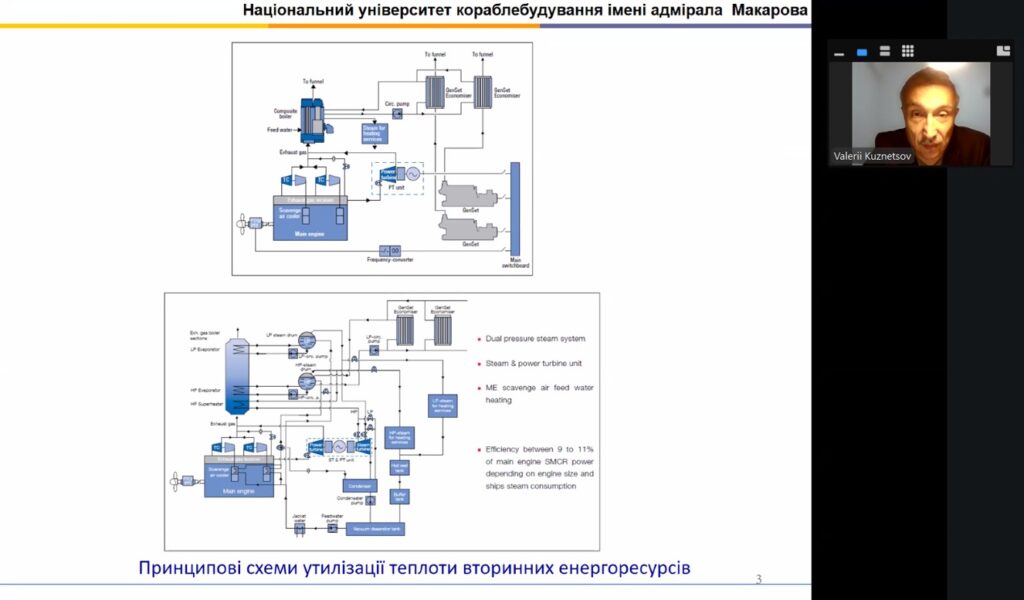
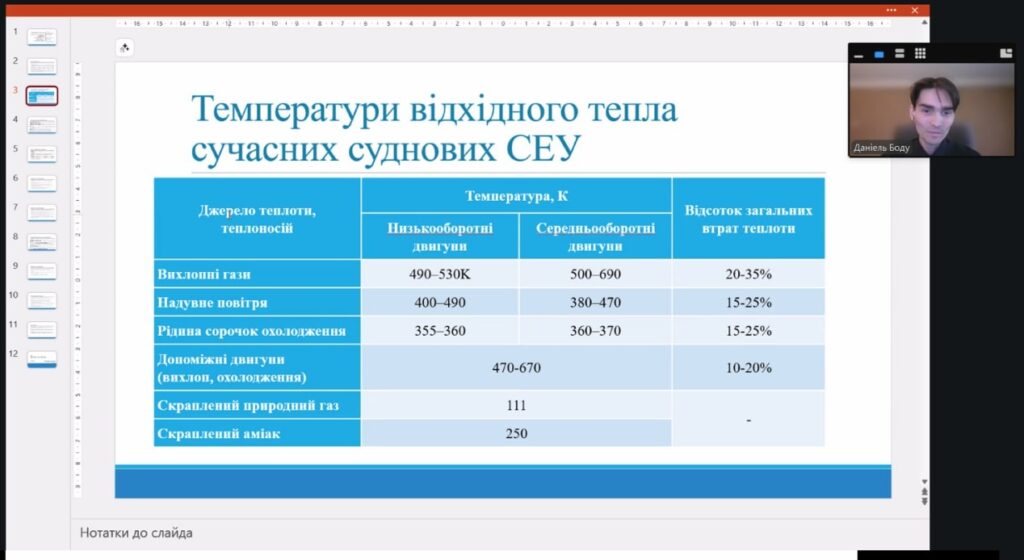
- Підвищення ефективності суднових енергетичних установок при проектуванні та експлуатації
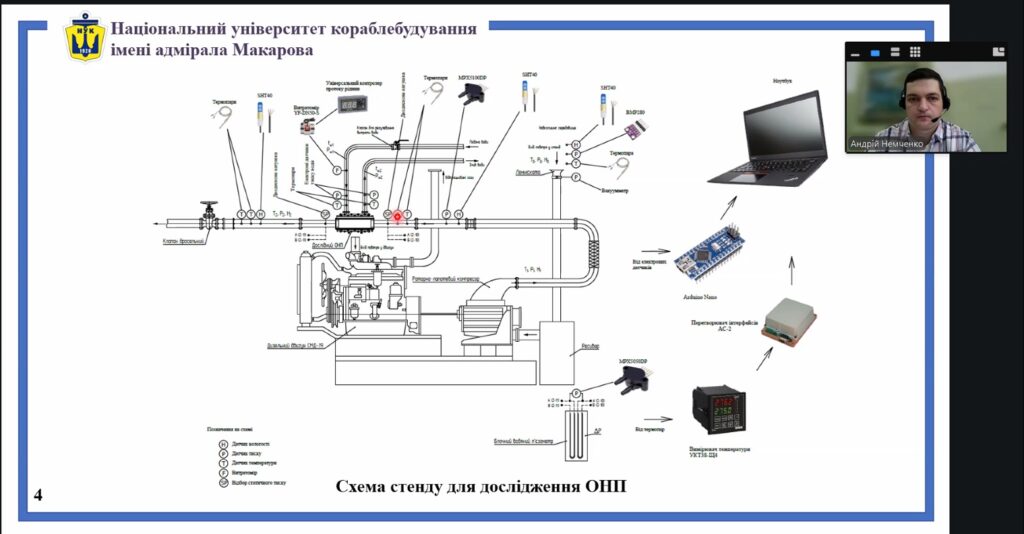
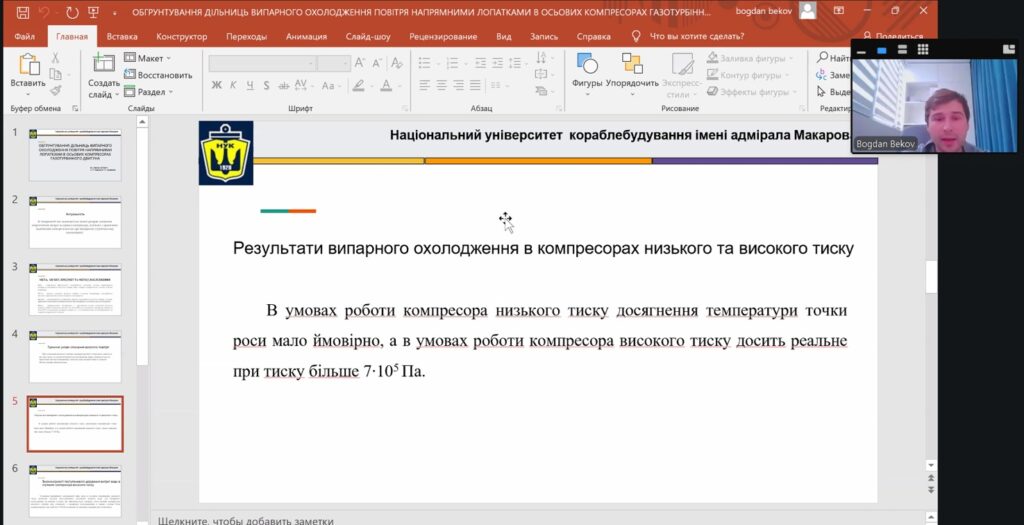
- Удосконалення робочих процесів у елементах суднових енергетичних установок
- Енергоощадні та інноваційні технології в судновій енергетиці
- Шляхи удосконалення підготовки фахівців з суднової енергетики у ВНЗ
Наявність у даному закладі кваліфікованих наукових кадрів відповідного профілю: На теперішній час в у Національному університеті кораблебудування у галузі суднової та стаціонарної енергетики та енергозбереження достатньо висококваліфікованих інженерів-дослідників та науковців, наукові розробки яких широко відомі науковій спільноті не тільки України, а також іноземним фахівцям. Наукові розробки зазначених спеціалістів отримали визнання та позитивні оцінки світової наукової громадськості.
SHIP POWER ENGINEERING:
STATUS AND PROBLEMS
PROCEEDINGS
International Scientific and Technical Conference
«Ship Power Engineering: Status and Problems»
Theme of the event: Ship Power Engineering: Status and Problems
Date: Held biennially since 2011
Venue: Admiral Makarov National University of Shipbuilding, 5 Kovalska st., Mykolaiv (Old Building of NUK)
Number of participants: 100
Foreign countries and the number of participants from each (for international events): China – 5, Poland – 5, Georgia – 3, Germany – 3, USA – 3
Purpose of the event: The purpose of the event is to consolidate scientific thought, develop future projects and exchange proposals, and consider scientific and technical issues related to the research, design, manufacture, and operation of power plants, as well as the study of working processes in their components.
Brief information on the most important scientific results, obtained over the past 3-5 years in the relevant field, specifying the universities and scientific organizations involved in cooperation: Over the past 3 years, the university has achieved significant scientific results in the following areas:
Development of energy-saving technologies; Development of environmentally safe technology; Modern mechanical engineering technologies.
Main issues proposed for discussion:
- Improving the efficiency of ship power plants during design and operation
- Improvement of working processes in the components of ship power plants
- Energy-saving and innovative technologies in ship power engineering
- Ways to improve the training of specialists in ship power engineering in higher educational institutions
Availability of qualified scientific personnel of the relevant profile in the institution: Currently, the National University of Shipbuilding has a sufficient number of highly qualified research engineers and scientists in the field of ship and stationary power engineering and energy conservation. Their scientific developments are widely known to the scientific community not only in Ukraine but also to foreign specialists. The scientific developments of these specialists have received recognition and positive evaluations from the global scientific community.